
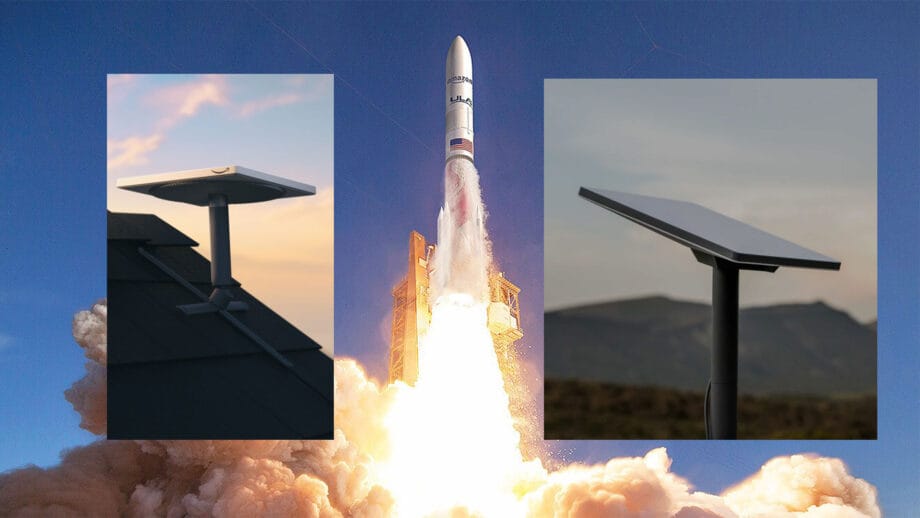
Amazon’s Kuiper satellite broadband network finally launched its first production satellites in April 2025. The question on everyone’s mind: can it compete with SpaceX’s Starlink, which already serves over 6 million customers?
The answer isn’t simple. Both services promise fast internet to remote areas, but they’re taking different paths to get there.
The Backstory: How We Got Here
Starlink’s Head Start
SpaceX launched Starlink in 2019. The company moved fast, deploying thousands of satellites and signing up customers while competitors were still planning.
By June 2025, Starlink connected more than 6 million people across 140 countries. The network grew through aggressive satellite launches and rapid customer onboarding.
SpaceX built its own rockets, which gave it a massive advantage. Every Falcon 9 launch could carry dozens of Starlink satellites at low cost. This vertical integration let Starlink expand faster than anyone expected.
The service isn’t perfect. Speeds vary by location and time of day. Some users report congestion during peak hours. But for people in rural areas with no other options, Starlink changed everything.
Amazon’s Late Entry
Amazon announced Project Kuiper in 2019 but took longer to deploy. The company spent years designing terminals, testing prototypes, and building ground infrastructure.
Amazon began deploying its constellation in April 2025 with its first 27 satellites, the first of more than 80 launches. The plan calls for more than 3,200 satellites total.
Under its FCC license, Amazon must launch half its satellites by July 30, 2026, and the rest by July 30, 2029. These deadlines push the company to move quickly or risk losing its spectrum allocation.
Amazon expects to begin delivering service to customers in late 2025. That means you can’t sign up yet, but the wait might end soon.
No Waiting, Buy Direct
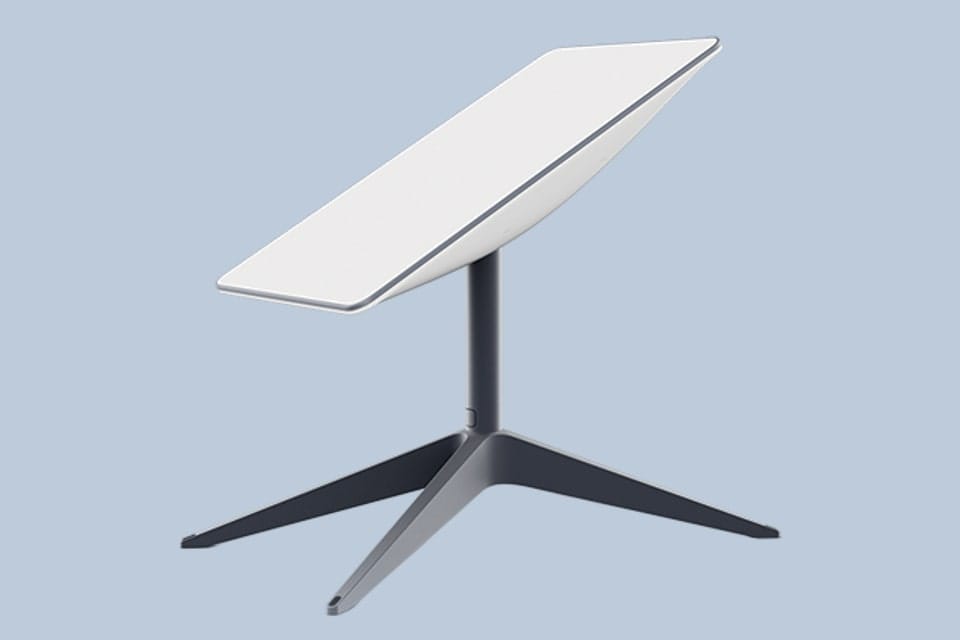
Gen 2 Dishy was removed as a purchase option from Starlink.com. At least in the US, it is still available in other countries and retailers.
Comparing the Networks
Terminal Hardware
Starlink Terminals
Starlink offers several dish options. The standard residential dish costs $349 to $499 for customers. It weighs about 10 pounds and requires a clear view of the sky.
The company also sells enterprise and mobile options at higher prices, ranging up to $2,500 for specialized equipment.
Kuiper Terminals
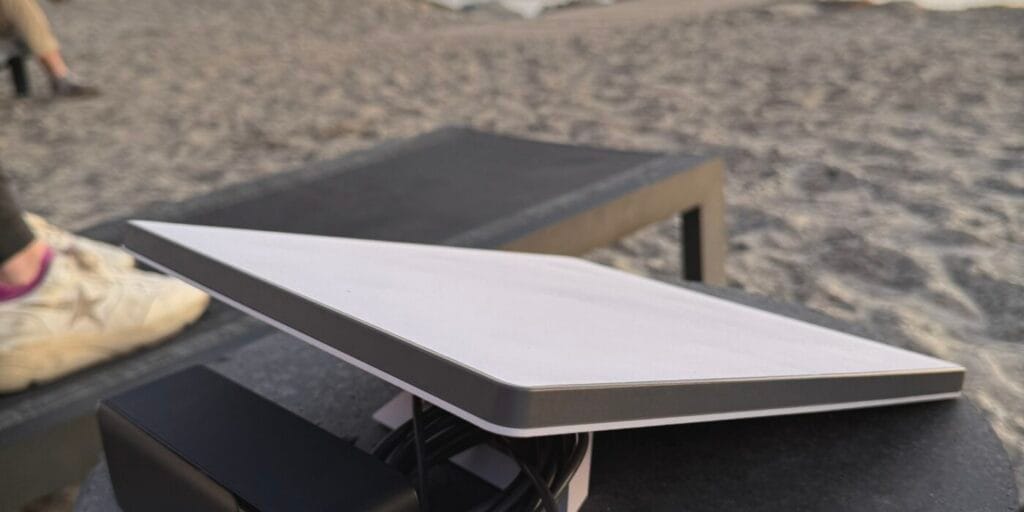
Kuiper’s standard terminal delivers speeds up to 400 Mbps, while its largest model for enterprise use delivers up to 1 Gbps, and its compact model delivers up to 100 Mbps.
Amazon hit its goal of designing terminals that cost less than $400 to produce. The standard home terminal measures about 11 inches square and weighs under 5 pounds.
The smaller size and lighter weight matter. Installation should be easier, and shipping costs less. Amazon hasn’t announced customer pricing yet, but expect it to compete with Starlink’s range.
Speed and Performance
Starlink Performance
In the US, median download speed across more than 2 million active Starlink customers during peak demand is nearly 200 Mbps as of July 2025.
Users report speeds from 50 to 200 Mbps, with some areas exceeding 250 Mbps. Upload speeds typically range from 10 to 40 Mbps.
Starlink delivers median peak-hour latency of 25.7 milliseconds as of June 2025. That’s low enough for video calls and online gaming.
The reality: speeds drop during congestion. Early adopters in uncrowded areas see better performance than later customers in saturated regions.
Kuiper Performance
Kuiper promises up to 400 Mbps for standard residential service and 1 Gbps for enterprise customers. These are theoretical maximums, not guaranteed speeds.
We can’t test real-world performance yet since the service hasn’t launched. Amazon’s prototype tests showed promising results, but actual speeds depend on satellite coverage, ground station capacity, and customer density.
The company designed its network with lessons learned from watching Starlink. That might help it avoid early congestion problems, but only time will tell.
Coverage Areas
Starlink operates globally in 140 countries. Coverage is strongest in North America, Europe, and Australia. Some regions still face waitlists due to capacity limits.
Kuiper’s coverage will depend on its satellite deployment schedule. Amazon secured launch agreements with Arianespace, Blue Origin, SpaceX, and United Launch Alliance for more than 80 launches. That’s the largest commercial launch procurement in history.
Full coverage requires years of satellite deployments. Early service will likely focus on specific regions, expanding as more satellites reach orbit.
Starlink Advantages
Kuiper Advantages
Why Would Someone Switch from Starlink to Kuiper?
Price Sensitivity
If Kuiper undercuts Starlink on monthly costs, price-conscious customers will switch. The terminal hardware already costs less to manufacture, which could translate to lower upfront fees.
Amazon has deep pockets and a history of accepting thin margins to gain market share. Expect aggressive pricing, at least initially.
Amazon Ecosystem Benefits
Amazon might bundle Kuiper with Prime membership or other services. You might get discounts on AWS services, free Prime shipping on the terminal, or other perks.
For businesses already using AWS, integrated billing and support could simplify operations.
Better Customer Service
Starlink customer service frustrates many users. Long wait times, automated responses, and difficulty reaching human support create friction.
Amazon built its reputation on customer service. If it applies that focus to Kuiper, it could win over dissatisfied Starlink customers.
Equipment Size and Power
Kuiper’s smaller, lighter terminals appeal to specific use cases. RV owners, boat operators, and people with limited mounting space might prefer the compact design.
Lower power consumption also matters for solar-powered installations or mobile applications.
Speed Requirements
If you need guaranteed high speeds for business applications, Kuiper’s 1 Gbps enterprise option might beat Starlink’s offerings. That depends on actual performance, which we can’t verify yet.
Real Questions You’re Probably Asking
When can I actually get Kuiper?
Amazon targets late 2025 for initial service. That likely means limited availability in select areas first, with broader rollout through 2026 and 2027.
Will Kuiper work with my existing equipment?
No. You’ll need Kuiper-specific terminals. The technologies aren’t compatible between providers.
Can I use Kuiper on a boat or RV?
Amazon hasn’t announced mobile options yet. Starlink already offers these services, giving it an advantage for mobile users.
What about weather interference?
Both services use similar frequencies and face similar weather challenges. Heavy rain, snow, and storms can affect signal quality for any satellite internet.
Will Kuiper be faster than my fiber connection?
No. Fiber optic internet delivers lower latency and more reliable speeds. Satellite internet serves people who can’t get fiber or cable.
How many satellites does Kuiper need to work?
Amazon needs several hundred satellites for basic regional coverage. Full global service requires the complete 3,236-satellite constellation.
Can Kuiper handle video streaming?
The promised speeds handle HD and 4K streaming easily. Multiple simultaneous streams might work, depending on your specific speed tier.
What happens if my terminal breaks?
We don’t know Amazon’s warranty and replacement policies yet. Starlink charges for replacement hardware outside warranty periods.
Will there be data caps?
Amazon hasn’t announced data policies yet. Starlink offers unlimited data for residential customers but deprioritizes heavy users during congestion.
The Competitive Outlook
Starlink’s massive head start gives it staying power. Six million customers generate revenue to fund more launches and network improvements. The company keeps iterating on hardware, rolling out new satellite generations with better capabilities.
But Amazon has resources Starlink can’t match. The company spent over $10 billion on Kuiper development. It owns the manufacturing facilities, controls a vast logistics network, and has relationships with millions of customers.
The real winner? You. Competition drives down prices and improves service. Whether you choose Starlink, Kuiper, or another provider, multiple options mean better deals and faster innovation.
What This Means for Rural Internet
Satellite broadband changes what’s possible in remote areas. No more waiting for cable companies to run lines. No more suffering with slow DSL.
Both Starlink and Kuiper target underserved regions. Farms, ranches, mountain communities, and island residents get access to speeds previously available only in cities.
This opens opportunities for remote work, online education, and telehealth services. Kids in rural areas can participate in online classes. Small businesses can compete globally. Emergency responders get reliable communications.
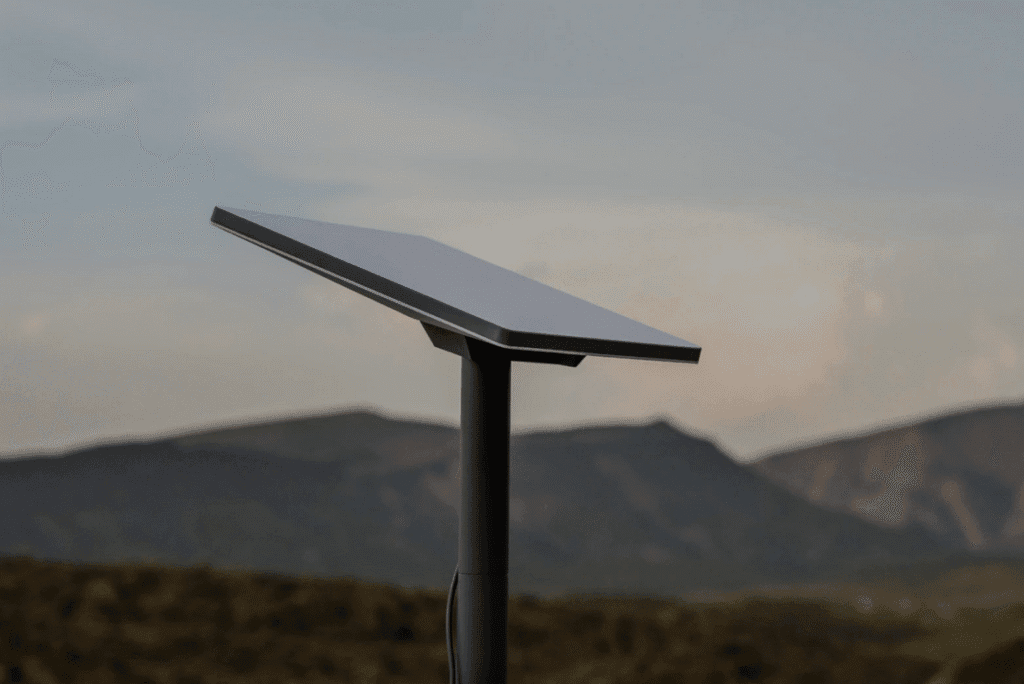
Can Amazon’s Kuiper outshine Starlink? It’s possible, but far from certain.
Kuiper has advantages: lower terminal costs, Amazon’s infrastructure, and lessons learned from Starlink’s growing pains. It also faces serious challenges: late market entry, unproven technology at scale, and a massive deployment requirement.
Starlink won’t stand still. The company continues launching satellites, improving speeds, and expanding coverage. Its first-mover advantage matters.
For consumers, the best approach is wait-and-see. If you need satellite internet now, Starlink is your only real option. If you can wait until late 2025 or 2026, compare both services based on actual pricing, real-world speeds, and coverage in your area.
Competition benefits everyone. Amazon’s entry forces Starlink to stay sharp on pricing and service quality. Starlink’s success pressures Amazon to deliver on its promises.
The satellite broadband war is just beginning.