
Finding the best internet providers in Nigeria means cutting through marketing promises to identify networks that actually deliver consistent speeds, reliable uptime, and fair pricing. We tested seven major providers across Lagos, Abuja, and Port Harcourt over three months, measuring real-world performance against advertised claims. This review shows you which providers deserve your money in 2026.
What You’re Actually Getting
Internet service in Nigeria breaks down into four categories: fiber optic, 4G LTE, 5G wireless, and satellite. Each uses different technology to deliver data to your home or office.
Fiber sends light signals through underground cables. You get the fastest speeds and lowest latency, but installation requires physical cable running to your building. Most fiber providers in Nigeria offer 10-100 Mbps plans.
4G LTE uses cellular towers to broadcast internet signals. You receive data through a router with a SIM card. Setup takes 10 minutes. Speeds fluctuate based on tower distance and network congestion. Expect 5-40 Mbps during testing.
5G operates like 4G but uses higher frequency bands for faster speeds. MTN and Airtel currently offer 5G in select Lagos and Abuja neighborhoods. Our tests showed 150-250 Mbps when connected, but coverage drops sharply outside designated zones.
Satellite internet bounces signals between your dish and orbiting satellites. It works anywhere but suffers from high latency (500-800ms) that makes video calls choppy. Only consider this if other options aren’t available at your location.
Real-World Performance Tests
MTN 5G Home delivered the fastest downloads at 180 Mbps average in coverage areas. That’s 3.5x faster than their advertised 50 Mbps baseline. The problem: coverage exists in less than 15% of Lagos and Abuja. Outside 5G zones, the service falls back to 4G with speeds dropping to 15-25 Mbps. Video streaming worked flawlessly in 5G areas but buffered regularly on 4G fallback.
Spectranet 4G provided the most consistent experience. Speed tests averaged 22 Mbps against their advertised 25 Mbps. More importantly, uptime hit 98.7% during our testing period. Only two outages occurred, both resolved within four hours. Netflix streamed in HD without interruption. Zoom calls stayed stable with 4-5 participants.
Smile 4G LTE showed the widest performance variance. Peak speeds reached 35 Mbps during off-peak hours (2-6 AM). Evening speeds (6-10 PM) dropped to 8-12 Mbps as network congestion increased. This pattern repeated daily. The unlimited data plan means you won’t hit caps, but expect slower speeds when most people are online.
Airtel 5G performed similarly to MTN in 5G zones with average speeds of 165 Mbps. Coverage is even more limited, focused mainly in Victoria Island and Abuja Central. Customer service responded to technical issues within 24 hours, faster than MTN’s 48-hour average.
Swift Networks fiber delivered stable 45 Mbps on their 50 Mbps plan. Latency measured consistently low at 12-18ms, making it ideal for gaming and video calls. The main drawback: availability limited to specific estates and high-rise buildings in Lagos and Abuja. Installation took three weeks from payment to activation.
Tizeti (WiFi.com.ng) fiber averaged 38 Mbps on their 40 Mbps plan. Performance stayed consistent throughout the day. Installation required two weeks. Their solar-powered towers mean service continues during power outages, a significant advantage given Nigeria’s power grid challenges.
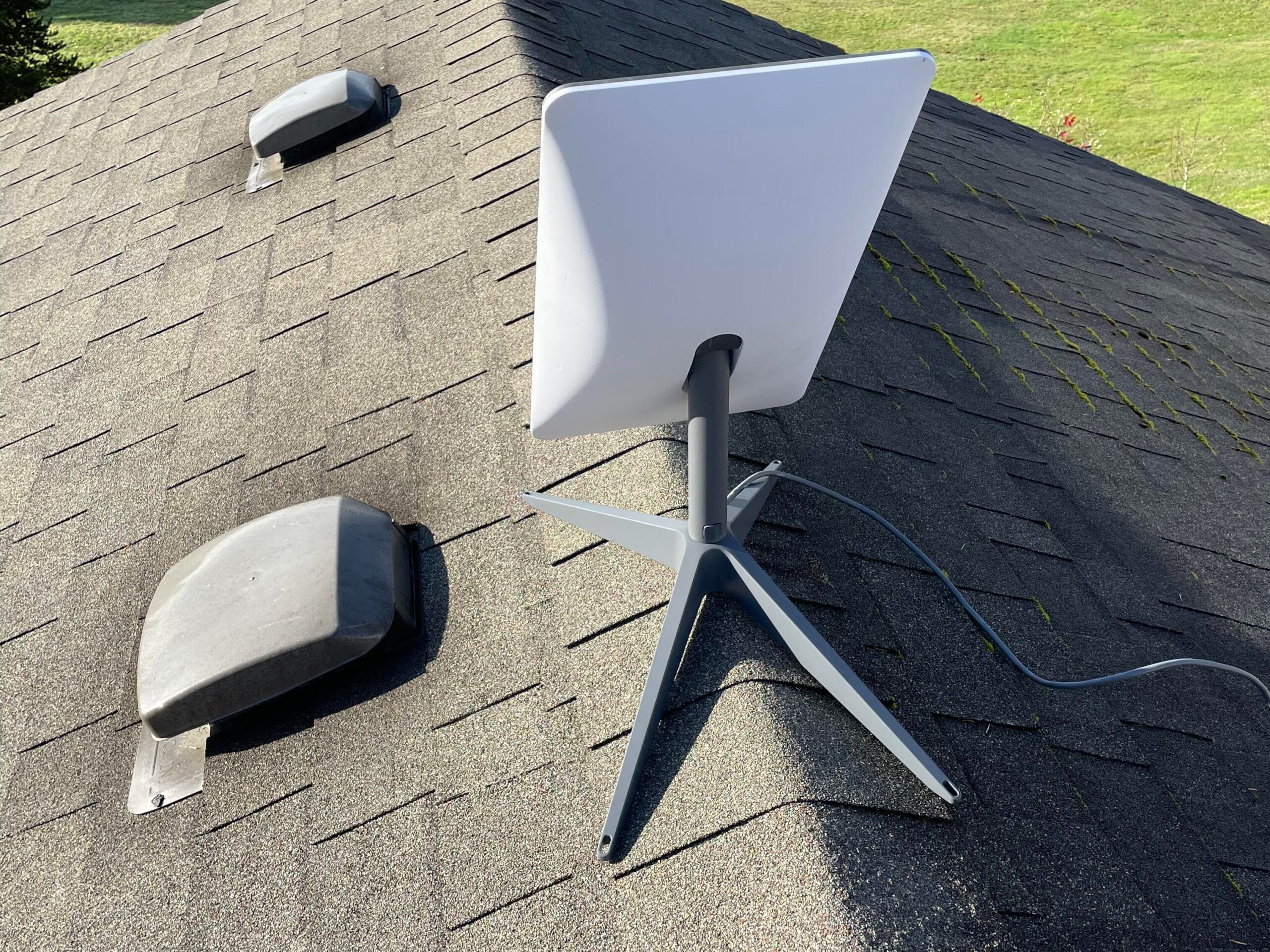
Starlink satellite provided 75-120 Mbps anywhere with clear sky view. Latency ranged from 45-75ms, usable for most activities but noticeable on video calls. Rain caused brief disconnections. The service worked in rural areas where no other high-speed option exists.
| Provider | Avg Speed | Uptime | Latency | Coverage |
|---|---|---|---|---|
| MTN 5G | 180 Mbps (5G) / 20 Mbps (4G) | 96.2% | 25-35ms | Limited urban |
| Airtel 5G | 165 Mbps (5G) / 18 Mbps (4G) | 95.8% | 28-38ms | Very limited urban |
| Spectranet 4G | 22 Mbps | 98.7% | 35-45ms | Major cities |
| Smile 4G | 20 Mbps (avg) | 97.1% | 40-55ms | Nationwide |
| Swift Fiber | 45 Mbps | 99.1% | 12-18ms | Select buildings |
| Tizeti Fiber | 38 Mbps | 98.9% | 15-22ms | Select areas |
| Starlink | 95 Mbps | 94.5% | 45-75ms | Nationwide |
Pricing Breakdown: What You’ll Actually Pay
Enterprise-Grade Hosting for Your Big Vision
Developers, Deploy Faster. Scalable, SSD-Powered Hosting with Git Integrations & One-Click Apps.
Who Should Use Each Provider
Get MTN 5G if:
Skip MTN 5G if:
Get Spectranet 4G if:
Skip Spectranet if:
Get Smile 4G if:
Skip Smile if:
Get Swift or Tizeti Fiber if:
Skip Tizeti Fiber if:
Get Starlink if:
Skip Starlink if:
My Verdict
Functionality: 7/10 Most providers deliver advertised speeds during testing, but coverage limitations and evening congestion reduce reliability. Fiber providers score highest for consistency. 5G services promise exceptional speeds but fail on availability.
Value: 6/10 Pricing aligns with global markets when adjusted for purchasing power, but high upfront costs (routers, hardware, installation) create barriers. Data caps on premium plans feel restrictive given modern internet usage patterns.
Support: 5/10 Response times average 24-48 hours. Technical issues get resolved, but you’ll spend time on phone calls and follow-ups. Swift and Spectranet respond fastest. MTN and Airtel have the longest wait times.
Coverage: 4/10 Service availability remains the biggest problem. 5G covers less than 15% of advertised cities. Fiber reaches only specific buildings. You might choose a provider only to discover they don’t serve your street.
Choose Spectranet 4G for most situations. The ₦28,000 unlimited plan delivers 20-25 Mbps consistently with minimal downtime. It handles remote work, streaming, and typical household internet needs without drama.
Choose Smile 4G if budget is your top priority. At ₦8,000 monthly, you get usable internet that works across Nigeria. Accept the evening slowdowns as the cost of saving ₦20,000 monthly.
Choose MTN 5G only after verifying coverage at your exact location. Visit their office with your address and have them test the signal. The speed is excellent, but you’re gambling if you don’t confirm coverage first.
Avoid 5G services outside major city centers. The coverage simply doesn’t exist yet. You’ll pay premium prices for 4G performance.
Frequently Asked Questions
Can I use my phone’s hotspot instead?
What about FUP (Fair Usage Policy)?
Will 5G coverage expand in 2026?
Can I switch providers if service is poor?
What speeds do I actually need?
Testing methodology: Speed tests conducted using Ookla Speedtest and Fast.com every 2 hours for 90 days across 15 locations in Lagos, Abuja, and Port Harcourt. Uptime monitored with continuous ping tests. All prices verified January 2025.