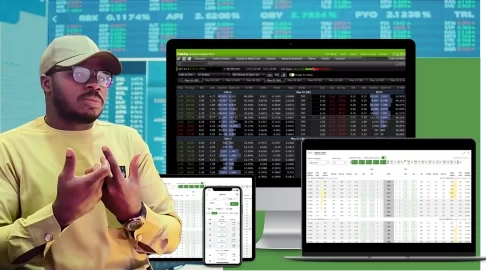

Yahoo Finance, Bloomberg, and CNBC
If you’ve ever opened multiple tabs trying to track stock performance, read expert takes, or just make sense of where the economy is headed, you’ve probably already landed on at least one of the best 3 websites to get financial news and trends: Yahoo Finance, Bloomberg, and CNBC.
Each of these sites plays a slightly different role in the finance ecosystem — some are more trader-friendly, some lean toward business storytelling, and one even started out as an internet experiment gone right. I’ve used all three at different points — sometimes obsessively during earnings season, other times just for casual market checks.
Let’s look at what each does well, a bit of their backstory, and how they compare in terms of features and popularity.
While I recommend this apps and platforms, I want to make it clear that we are not sponsored by any of the service providers and this information is sorely for educational purposes.
Joe Tiza
Yahoo Finance – The People’s Finance Platform
🎯 Best For
Casual investors, beginners, or anyone doing light stock research without subscribing to anything.
Yahoo Finance came out of the wild dot-com days of the mid-90s. Back then, Yahoo was the go-to for everything — emails, weather, search, you name it. Finance was just another section. But over time, Yahoo Finance outlived most of the Yahoo brand, becoming its own staple. Oddly enough, while other Yahoo services faded or got sold off, Finance quietly became… reliable. Kind of like that one pirate who jumps ship early and somehow survives every storm.
What It’s Good At
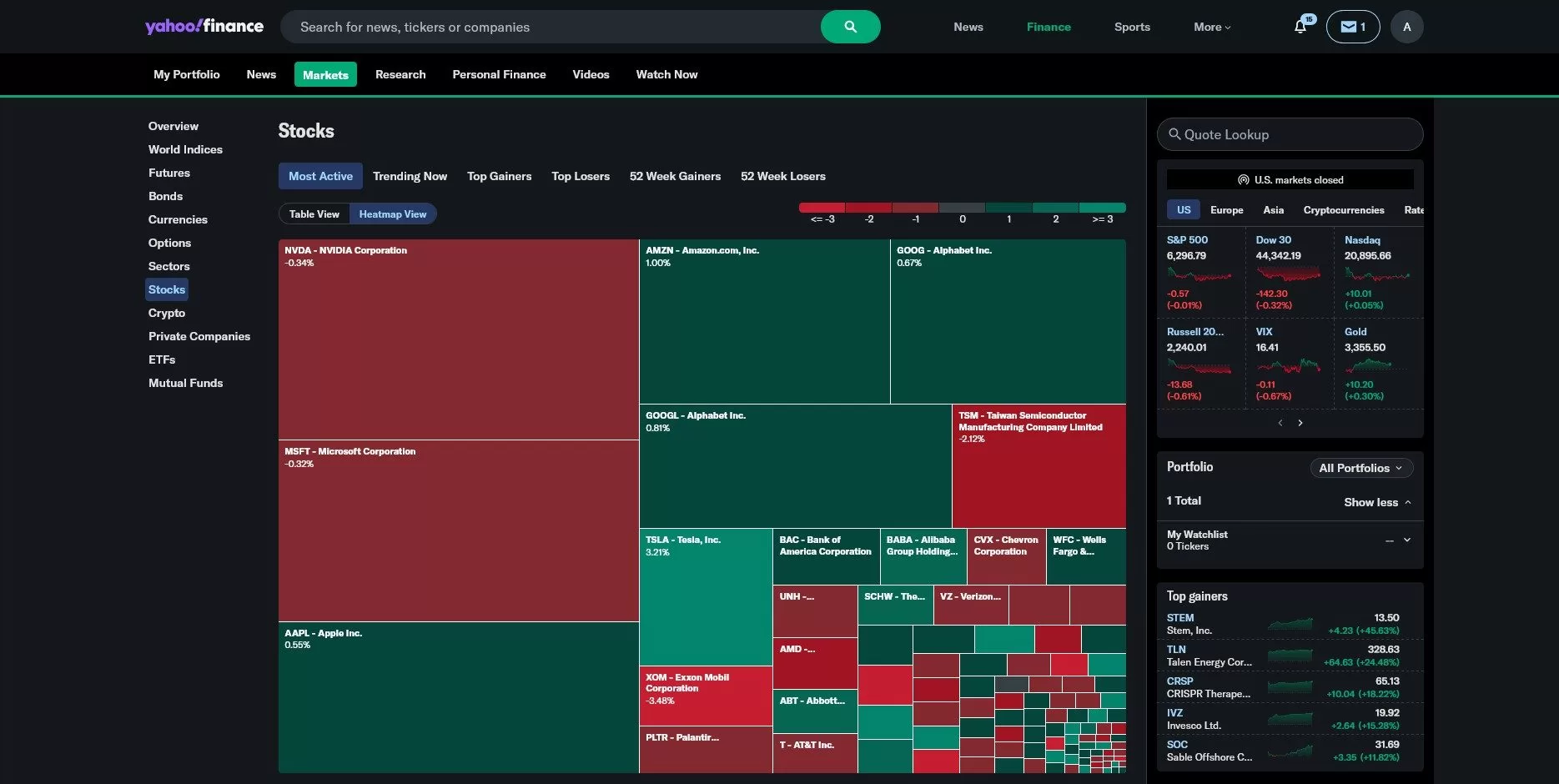
Yahoo Finance
Bloomberg – The Serious One
🎯 Best For
Finance professionals, analysts, and serious readers who care about accuracy and depth — and don’t mind paying for it.
Started in 1981 by Michael Bloomberg, a former Salomon Brothers exec who wanted to build a terminal that gave traders real-time market data. The Bloomberg Terminal became legendary — still is — but at around $20,000 a year, it’s not exactly something you sign up for on a whim. The website and app? A more digestible extension of that empire, though still pretty dense.
What It’s Good At
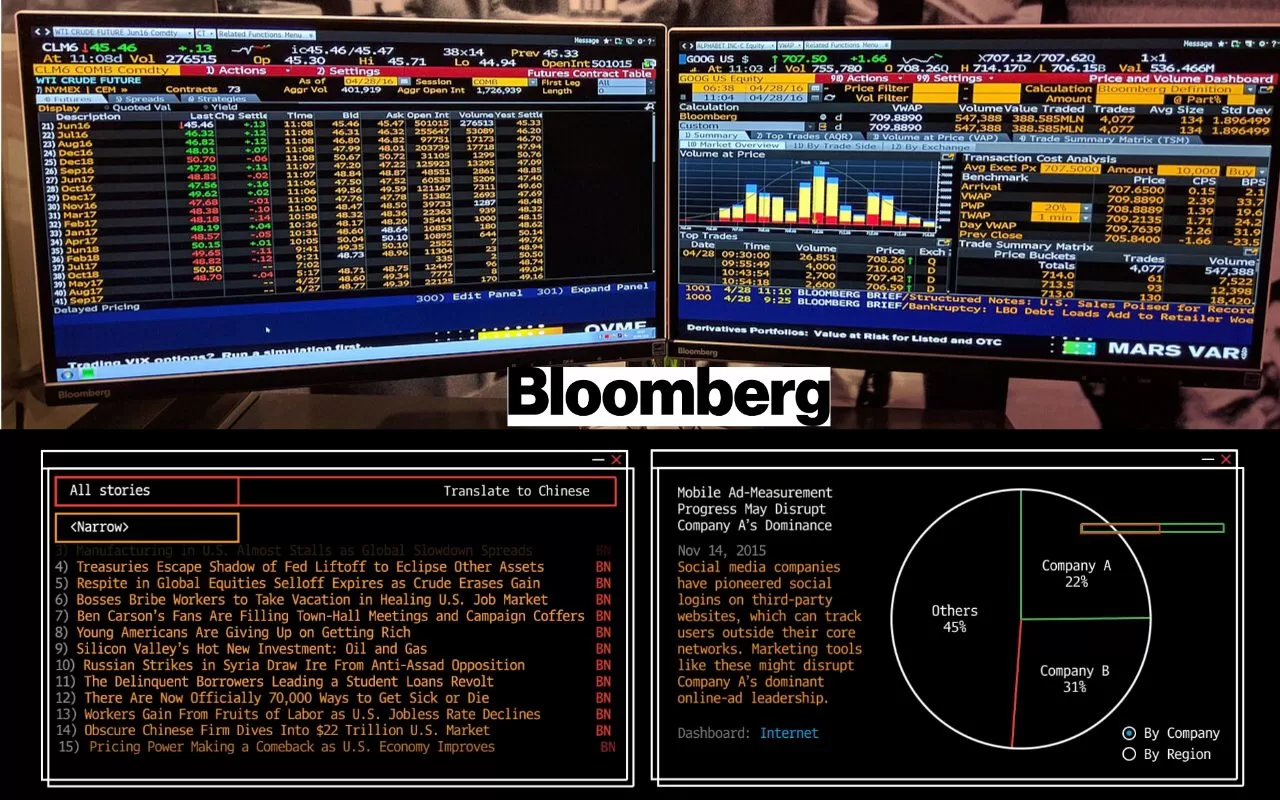
Bloomberg

Free Download
CNBC – Fast-Paced and News-First
CNBC launched in 1989 as a cable TV channel dedicated to business news. It took a while to catch on, but by the early 2000s it was the station traders left running in the background. The website came much later but grew quickly, powered by the network’s live coverage, personalities, and breaking financial news. I used to mute it during earnings calls — those alerts came faster than anywhere else.
🎯 Best For
Traders, investors, or business watchers who value speed and live content over deep editorial analysis.
What It’s Good At
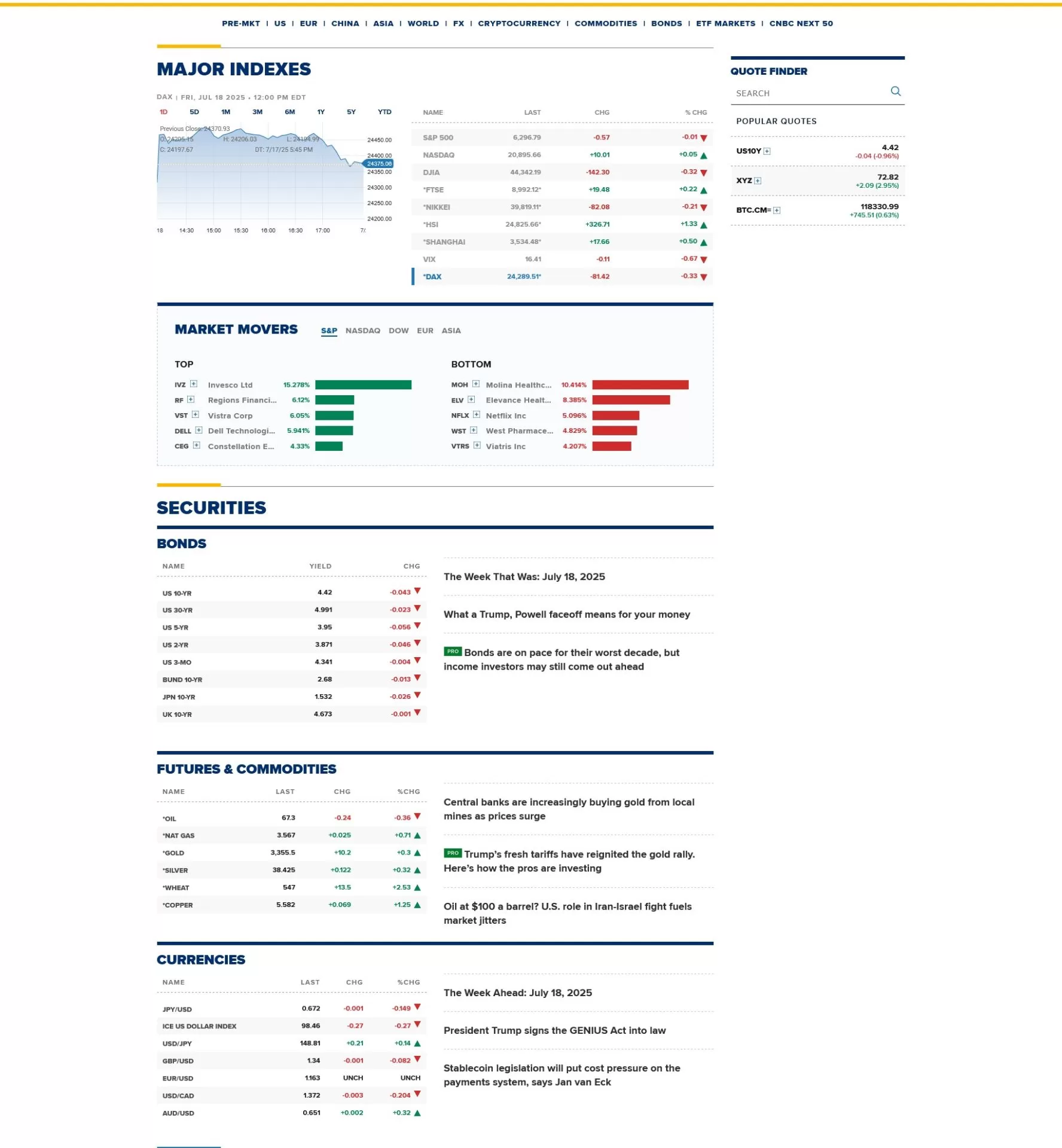
CNBC
Compare Based On Different Needs
| Use Case | Best Option |
| For quick stock checks | Yahoo Finance |
| For in-depth analysis | Bloomberg |
| For breaking market news | CNBC |
| For free, general news | Yahoo Finance |
| For institutional-level | Bloomberg |
| For live coverage | CNBC |
My Final Thought
If you’re new to markets or just want something approachable, Yahoo Finance is probably the easiest way in. For serious research and analysis, Bloomberg is unmatched, if you’re willing to pay or know what to look for in the limited free tier. And if speed and headlines are what you need, CNBC moves at trader speed, no question.
There’s no single “winner” here. Honestly, I bounce between all three depending on what I’m looking for. Like one time I got a hot tip (not financial advice, by the way) from a CNBC tweet, then checked the numbers on Yahoo, and finally read Bloomberg’s take just to see how the story might play out long-term. All within 10 minutes.
Oh, and if you’re wondering about alternatives like MarketWatch or Seeking Alpha, maybe another post. Those have their own quirks.
But for now, Yahoo Finance, Bloomberg, and CNBC remain the top 3 websites to get financial news and trends, each with its own personality, and oddly… its own sense of rhythm. Like different crew members on the same unpredictable pirate ship called “the market.”