


Jasper, GrammarlyGO, and ChatGPT Compared
AI writing tools aren’t new. But in 2025, they’ve gone from “nice to try” to “hard to work without.” Whether you’re writing a pitch deck, drafting a blog post, or just trying to sound less robotic in emails — these tools actually help. Some more than others, though.
So, I took a closer look at the best AI-powered writing tools in 2025: Jasper, GrammarlyGO, and ChatGPT. Each one feels tailored to a different kind of user; marketers, students, or small teams. I’ve tested all three, sometimes out of curiosity, sometimes out of desperation. Here’s how they stack up.
While I recommend this apps and platforms, I want to make it clear that we are not sponsored by any of the service providers and this information is sorely for educational purposes.
Joe Tiza
Jasper – Marketing-Centric and Speedy
Real Use Case: Content marketers, ad agencies, social media teams
Jasper started out as Jarvis, a scrappy AI that felt like a niche SEO writer. Now it’s evolved into a full-scale marketing assistant. The UI has gotten cleaner, the templates more targeted, and it plays nicely with brand tones. Don’t believe me? Try it for yourself and thank me later.

What it does well
Where it stumbles
GrammarlyGO – Polished and Practical
Real Use Case: Students, knowledge workers, customer support agents
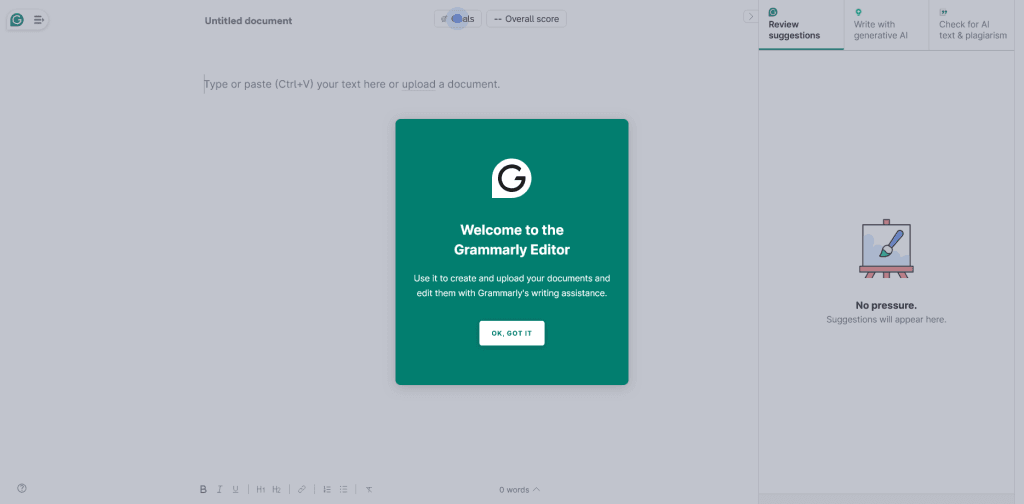
We all know Grammarly for fixing grammar. But GrammarlyGO is the AI twist — it rewrites, refines, shortens, or expands what you’ve already written. Think of it as your editor on speed dial, not a blank-page writer.
What it does well
ChatGPT – Versatile and Surprisingly Deep
Real Use Case: Small business owners, researchers, creative professionals
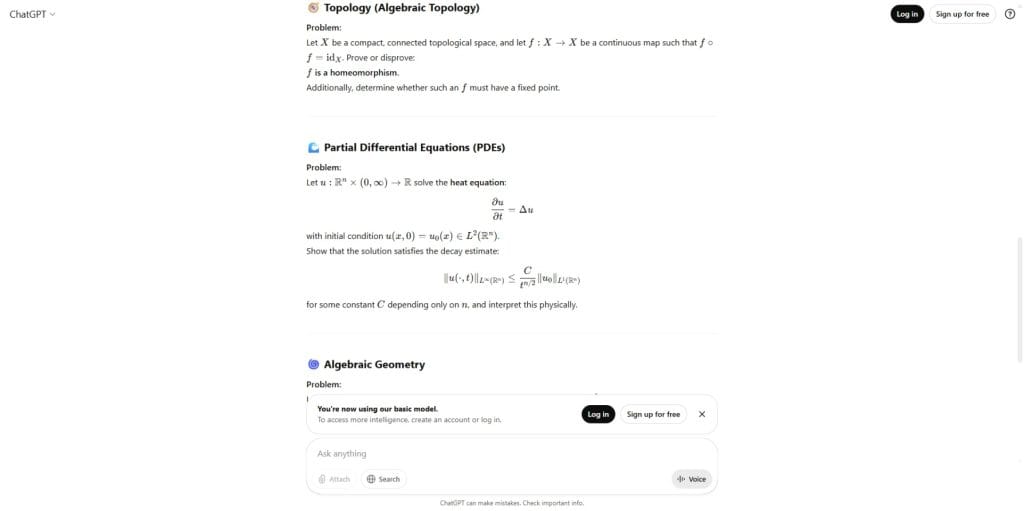
You’ve probably already used ChatGPT. It’s the most talked-about tool — and for good reason. Unlike the others, it doesn’t box you into templates or grammar corrections. It just… responds. And adapts.
What it does well
Everything we recommend
We don’t list tools just because they’re trending. Every writing app mentioned here has been tested in real, everyday use, from drafting client proposals to cleaning up awkward emails at 2AM. Some are better for speed, others for polish or flexibility, but each one solves an actual problem. What works best depends on how you write, what you’re writing, and how much help you really want.
Where it stumbles
Rhythm also factors into the layout of content. For example, you “might have” blog articles, press releases, and events each follow their own certain layout pattern.
Comparison Table
| Feature | Jasper | GrammarlyGO | ChatGPT |
| Best For | Marketers | Students, workers | Small biz, creatives |
| Tone Adjustments | ✅ | ✅ Excellent | Customizable |
| Templates | ✅ Dozens built-in | ❌ Not template-based | ❌ Prompt-based only |
| Content Creation | ✅ Short-to-medium | ❌Rewrite-focused | ✅ Long-form capable |
| Ease of Use | ✅Guided UI | ✅ Seamless in-app | ⚠️ Prompt skill needed |
| Price | From $49/month | From $30/month | $20/month (Pro) |
My Final Thoughtd
So, which AI writing tool should you actually use?
Go with Jasper if you’re in content marketing and need speed, structure, and brand-safe templates. It’s plug-and-play for teams.
Try GrammarlyGO if you’re writing in business or academic settings. It’s like a smarter, gentler version of your past self editing you in real time.
Use ChatGPT if you’re juggling multiple content types or want something flexible enough to help with client emails and website copy and brainstorming product names, all in one tab.
Personally? I use ChatGPT Pro every day, Jasper when I’m stuck on ad copy, and GrammarlyGO for quick email rewrites. Sometimes switching between them mid-task.
So my verdict is this. No single winner, just the best one for how you work.