


The world of stock trading has evolved dramatically, with online platforms making it easier than ever for investors of all levels to participate in the market. Whether you’re a beginner dipping your toes into investing or an experienced trader seeking advanced tools, choosing the right platform is critical to your success. In 2026, the best stock trading platforms combine low fees, user-friendly interfaces, robust research tools, and diverse investment options. This blog post explores the top legit platforms for buying and selling stocks, based on their features, costs, and suitability for different types of investors. Let’s dive into the top picks and what makes them stand out.
Below are the top stock trading apps (not just platforms) that are safe, regulated, and effective for stock trading in 2026.
What to Look for in a Stock Trading Platform
Before we explore the platforms, let’s outline the key factors to consider when choosing a stock trading platform in 2026.
- Fees and Commissions: Look for low or no-commission trades, minimal account fees, and transparent pricing.
- User Experience: A clean, intuitive interface is essential, especially for beginners, while advanced traders need robust tools and charting capabilities.
- Investment Options: The platform should offer a variety of assets, such as stocks, ETFs, options, and potentially cryptocurrencies or fractional shares.
- Research and Education: Access to market data, analyst reports, and educational resources can help you make informed decisions.
- Security and Regulation: Ensure the platform is regulated by a top-tier authority (e.g., SEC, FINRA in the U.S.) and offers strong security features like two-factor authentication.
- Customer Support: Reliable support via phone, chat, or email is crucial for resolving issues quickly.
- Mobile Accessibility: A well-designed mobile app is vital for trading on the go.
With these criteria in mind, here are the top stock trading platforms for 2026, based on recent analyses and user feedback.

1. Fidelity Investments
Best Overall for Beginners and Long-Term Investors
Fidelity remains a powerhouse in the brokerage world, offering a well-rounded platform that caters to both novice and experienced investors. Its combination of zero-commission trades, extensive research, and a user-friendly interface makes it a top choice for 2026.
Key Features:
- Commission-Free Trading: No commissions on U.S. stocks, ETFs, and options trades.
- Investment Variety: Trade stocks, ETFs, mutual funds (including zero-expense-ratio funds), options, bonds, and cryptocurrencies. Fractional shares are available for dollar-based investing.
- Research and Tools: Fidelity’s Learning Center provides articles, videos, and webinars, while its Trading Dashboard and Active Trader Pro offer advanced charting and analysis tools.
- Mobile App: Highly rated for its clean design and functionality, allowing seamless trading and portfolio management.
- Customer Support: 24/7 support via phone, web chat, and in-person at Fidelity branches.
2. Charles Schwab
Best for Comprehensive Services
Charles Schwab is a trusted name in the financial industry, known for its blend of low-cost trading, advanced tools, and exceptional customer service. With the integration of TD Ameritrade’s thinkorswim platform, Schwab has solidified its position as a top pick for 2026.
Key Features:
- Commission-Free Trading: No fees for stocks, ETFs, and options trades.
- Advanced Platforms: The thinkorswim platform offers sophisticated charting, technical analysis, and 24/5 trading for select ETFs and stocks.
- Investment Options: Stocks, ETFs, mutual funds, bonds, options, futures, and forex trading.
- Educational Resources: Extensive library of articles, videos, and webinars, plus access to CIBC Capital Markets and Thomson Reuters reports.
- Mobile App: User-friendly with real-time data and advanced order types.
Pros:
- No account minimums, ideal for new investors.
- Strong research tools and educational content for all levels.
- Access to fractional shares and robo-advisory services.
Cons:
- Mobile app interface can feel clunky compared to competitors like Robinhood.
- Limited cryptocurrency offerings (only via ETFs).
Who It’s For:
Schwab is perfect for investors who want a full-service platform with advanced tools, educational resources, and the ability to scale their trading strategies over time.
3. Robinhood
Best for Mobile-First and Cost-Conscious Traders
Robinhood revolutionized commission-free trading and remains a favorite for its simplicity and accessibility. Its mobile-first design and unique features, like the IRA match program, make it a strong contender in 2026.
Key Features:
- Commission-Free Trading: No fees for stocks, ETFs, options, and certain cryptocurrencies.
- Fractional Shares: Invest in high-priced stocks with as little as $1.
- IRA Match Program: Offers a 1% match on IRA contributions (3% for Robinhood Gold members), a rare feature among brokers.
- Mobile App: Intuitive and streamlined, perfect for trading on the go.
- Cash Card: A debit card that rounds up purchases and invests the difference.
Pros:
- Extremely beginner-friendly with a low barrier to entry.
- No account minimums and low options contract fees ($0.03 per contract).
- Wide selection of cryptocurrencies compared to traditional brokers.
Cons:
- Limited third-party research and no individual bonds.
- Past controversies over order flow practices, though transparency has improved.
Who It’s For:
Robinhood is best for young or beginner investors who prioritize low costs, simplicity, and mobile trading, as well as those interested in fractional shares or crypto.
4. Interactive Brokers (IBKR)
Best for Advanced Traders
Interactive Brokers is a go-to platform for experienced traders due to its low costs, vast investment selection, and powerful tools. It’s less beginner-friendly but excels for those who need global market access and advanced features.
Key Features:
- Commission-Free Trading: No fees for stocks, ETFs, and options (with low per-contract fees of $0.50-$0.65).
- Global Access: Trade in 160+ markets across 34 countries, supporting 28 currencies.
- Advanced Tools: Industry-leading charting, market scanners, technical analysis, and algorithmic trading via IBKR Campus.
- Investment Variety: Stocks, ETFs, mutual funds, bonds, options, futures, forex, and cryptocurrencies (including Chainlink, Avalanche, and Sui).
- Margin Rates: Some of the lowest in the industry.
Pros:
- Unparalleled investment selection and global market access.
- Robust educational resources through IBKR Campus, including courses and webinars.
- High order execution quality, critical for active traders.
Cons:
- Complex interface that may overwhelm beginners.
- No IPO access and a laggy mobile app in some cases.
Who It’s For:
Interactive Brokers is ideal for advanced traders, day traders, and those interested in international markets or complex trading strategies.
5. Webull
Best for Day Traders
Webull is a favorite among active traders, particularly day traders, due to its commission-free trading, extended-hours trading, and minimalist design. It’s a strong alternative to Robinhood with more advanced tools.
Key Features:
- Commission-Free Trading: No fees for stocks, ETFs, or U.S. options.
- Extended Hours: Trade before and after regular market hours.
- Investment Options: Stocks, ETFs, options, and cryptocurrencies (via Webull Pay app).
- Tools: Advanced charting, technical indicators, and IPO access.
- Cash Management: Competitive APY on uninvested cash.
Pros:
- Fast trade execution and a sleek, mobile-first platform.
- Community features for learning from other investors.
- No minimum deposit requirement.
Cons:
- Separate app for crypto trading can be inconvenient.
- Limited third-party research and no 24/7 customer support.
Who It’s For:
Webull is best for day traders and intermediate investors who want low-cost trading with advanced tools and extended-hours access.
6. SoFi Invest
Best for All-in-One Financial Management
SoFi Invest is a versatile platform that combines investing with banking and lending services, making it a great choice for those who want to manage their finances in one place. Its no-frills approach appeals to beginners.
Key Features:
- Commission-Free Trading: No fees for stocks, ETFs, and options (with exercise/assignment fees).
- Fractional Shares: Start investing with as little as $5.
- Robo-Advisor: Free automated investing for portfolios under $25,000.
- Integration: Seamlessly connect with SoFi’s checking, savings, and loan products.
- Mobile App: Simple and intuitive, ideal for beginners.
Pros:
- No account minimums or annual fees.
- Perks like lower loan APRs for SoFi customers using multiple products.
- Educational resources tailored for new investors.
Cons:
- $25 inactivity fee for 12 months of no logins and $100 for outgoing transfers.
- Lacks advanced tools for experienced traders.
Who It’s For:
SoFi is perfect for beginners and those who want an all-in-one financial platform with commission-free trading and fractional shares.
7. E*TRADE
Best for Research and Tools
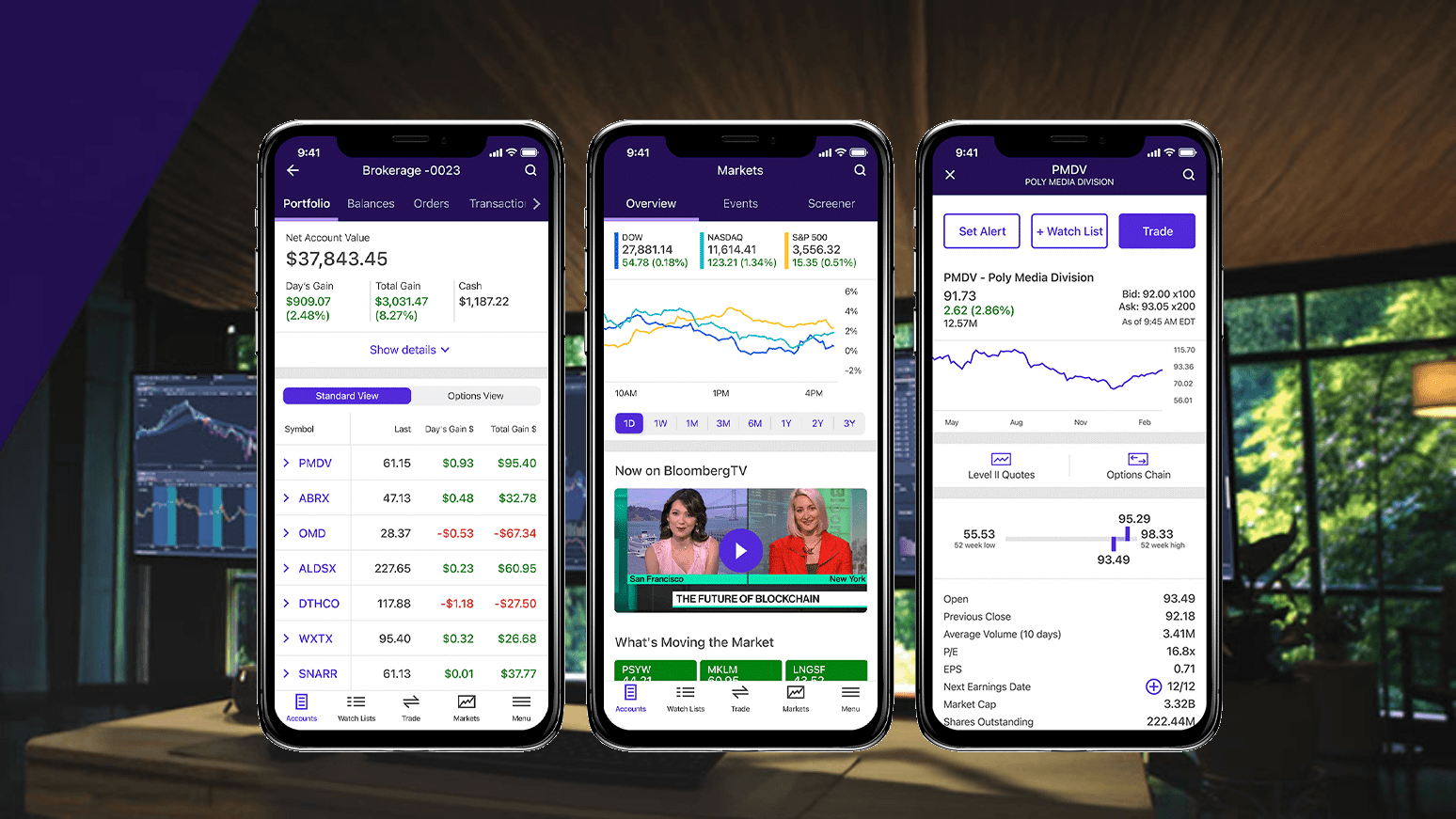
E*TRADE, now part of Morgan Stanley, is a veteran in the online trading space, offering a robust platform with powerful tools and extensive research. It’s a great fit for investors who value education and analysis, as well catering to both beginners and advanced traders. In this this review I want us to focus on ETRADE’s pricing structure, as detailed on their official pricing page, and evaluates its features, pros, cons, and suitability for different investors in 2026.
Key Features:
- Commission-Free Trading: No fees for stocks, ETFs, and options ($0.50-$0.65 per contract).
- Investment Options: Stocks, ETFs, mutual funds, bonds, options, and crypto via ETFs.
- Tools: Power E*TRADE offers advanced charting, stock screeners, and risk analysis tools like Snapshot Analysis.
- Research: Proprietary Morgan Stanley research plus third-party reports.
- Mobile App: Intuitive with robust portfolio management and research capabilities.
Who It’s For:
E*TRADE is ideal for investors who prioritize research, education, and advanced tools, from beginners to seasoned traders.
How to Choose the Right Platform for You
Selecting the best stock trading platform depends on your goals, experience level, and preferences. Here are some tips to guide your decision:
- For Beginners: Choose platforms like Fidelity, Charles Schwab, or SoFi for their low fees, educational resources, and user-friendly interfaces. Fractional shares and no minimums are also key.
- For Active/Day Traders: Interactive Brokers and Webull offer advanced tools, fast execution, and low costs, making them ideal for frequent trading.
- For Mobile Traders: Robinhood and Webull shine with their mobile-first designs and intuitive apps.
- For Long-Term Investors: Fidelity and Charles Schwab provide robust retirement planning tools, diverse investments, and low-cost options for buy-and-hold strategies.
- For All-in-One Finances: SoFi is great if you want to combine investing with banking and lending services.
- For Research-Driven Investors: E*TRADE and Fidelity offer top-tier research and analysis tools.
Always verify that the platform is regulated by a reputable authority (e.g., SEC, FINRA, or FCA for international brokers) and check for SIPC insurance, which protects up to $500,000 per account (including $250,000 in cash) against brokerage failure.
Tips for Safe and Effective Stock Trading in 2026
- Start with a Demo Account: If available, use paper trading to practice strategies without risking real money.
- Research Thoroughly: Use the platform’s research tools to analyze stocks, but also cross-reference with trusted sources like Yahoo Finance or The Motley Fool.
- Diversify Your Portfolio: Invest in a mix of stocks, ETFs, and other assets to reduce risk.
- Understand Fees: Even commission-free platforms may charge for inactivity, transfers, or specific trades (e.g., options or foreign stocks).
- Stay Disciplined: Avoid impulsive trading. Set clear goals and stick to a strategy, whether it’s long-term investing or active trading.
- Monitor Currency Risks: If trading international stocks, be aware of currency exchange risks, which can affect returns.
My Final Thought
In 2026, the best stock trading platforms will cater to a wide range of investors just as it has always done in previous years, from beginners to advanced traders. Fidelity and Charles Schwab stand out for their comprehensive offerings, while Robinhood and SoFi appeal to mobile-first, cost-conscious users. Interactive Brokers and Webull are top choices for active traders, and E*TRADE excels in research and tools. By assessing your goals, trading style, and the features that matter most to you, you can select a platform that aligns with your financial journey.
Disclaimer: The information provided is for educational purposes only and does not constitute financial advice. Always conduct your own research and consult a financial advisor before investing. All investments carry risks, and you may lose money.
While I recommend this apps and platforms, I want to make it clear that I we are not sponsored by any of the service providers and this information is sorely for educational purposes.
Joe Tiza
Honest Review of E*TRADE

Free Download
Everything we recommend
Before investing, ensure the platform is regulated, explore its tools and fees, and take advantage of educational resources to build your confidence. The stock market offers incredible opportunities, but it’s essential to approach it with knowledge and discipline. Happy trading!